
Why give Pangea a defined pulper package?
One team across a connected mechanical assembly
A pulper overhaul is not a series of unrelated maintenance tasks. The body, rotor, plate, cap, shaft, bearings, gland, drive and service interfaces all affect the condition and reliability of the assembled machine.
Pangea manages the work through one controlled process, so the site receives a clear outcome rather than a collection of disconnected activities.
- The condition in which the pulper was found
- What was dismantled, cleaned and inspected
- Measurements, settings and clearances recorded
- Components reused, repaired, machined or replaced
- Outstanding concerns and recommendations
- Mechanical completion and handover status
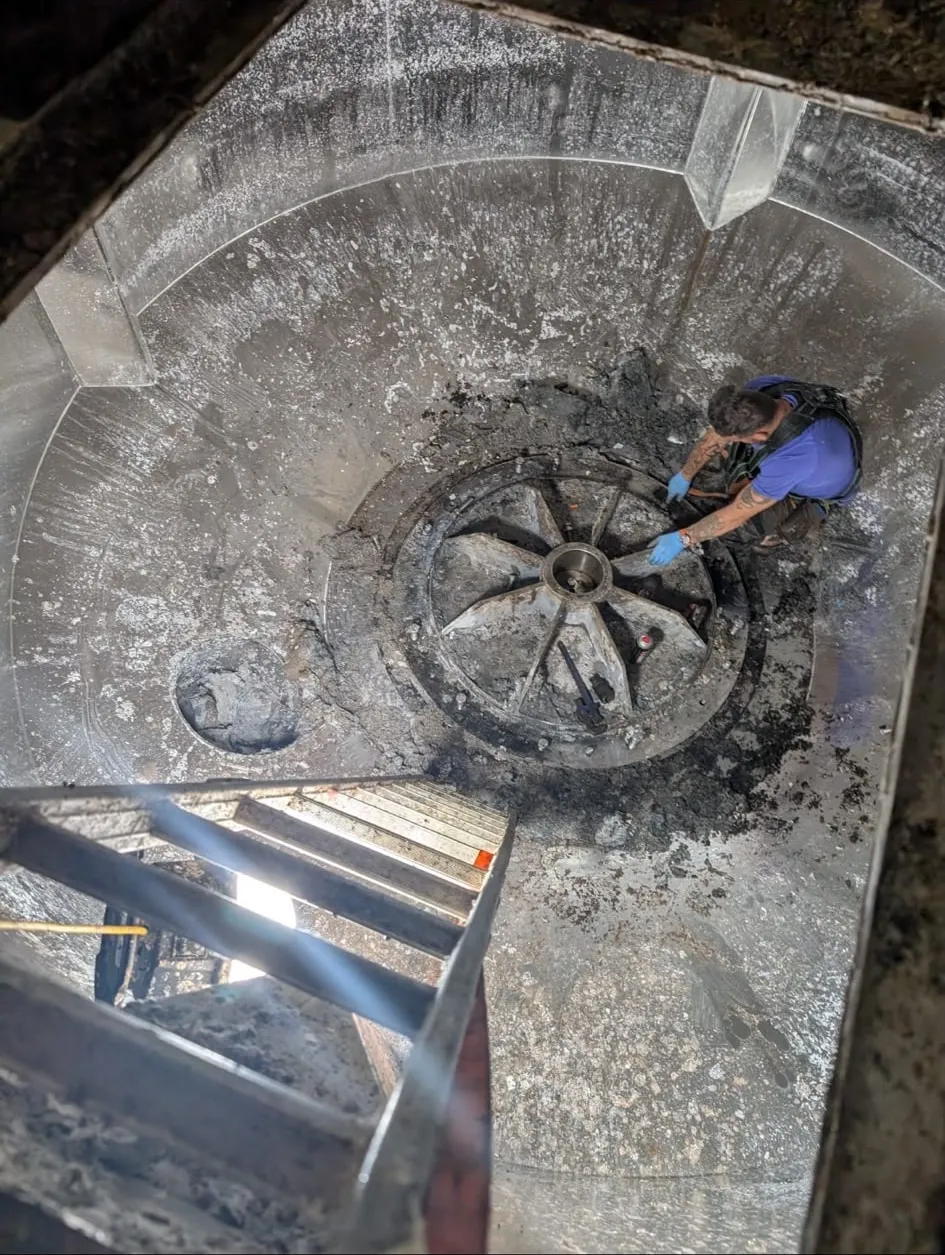
Build understanding before the shutdown begins
Resolve foreseeable uncertainty while there is still time to act
Before mobilisation, we review the installed configuration, known history and practical constraints around the work. That early understanding helps define the scope, parts, access and decision points needed during the shutdown.
- Manufacturer, model and installed configuration
- Known failures, wear patterns and previous repairs
- Rotor, plate, cap and other wear components
- Bearing, lubrication, gland and drive arrangements
- Available drawings, tolerances and site spares
- Access, lifting, isolation and service requirements
- Inspection stages, client hold points and handover requirements
Complete mechanical maintenance scope
Practical capability across the pulper and its immediate drive arrangement
Pangea can deliver the connected mechanical work required to dismantle, assess, repair and return the pulper assembly.
- Controlled stripdown, cleaning and component handling
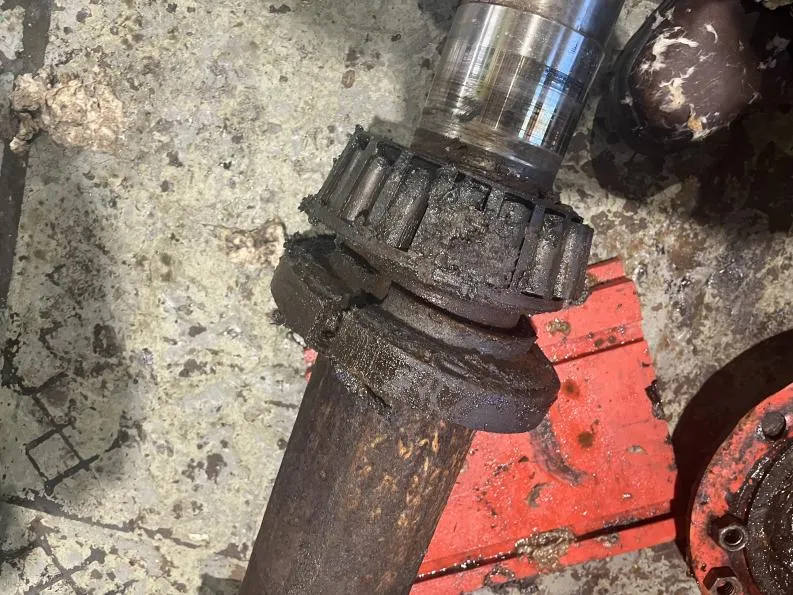
- Bearing cartridges, shafts, sleeves, fits and end play
- Glands, seals, lantern rings and shaft condition
- Grease, gland-water and other mechanical service interfaces
- Rotor, plate, cap and associated wear components
- Component gaps, clearances and final settings
- Drive inspection, alignment and tension
- Fabrication, repair, reassembly and mechanical handover
More than replacing the failed part
The visible fault may sit elsewhere in the connected system
A bearing problem may begin with lubrication or fit. Gland leakage may be affected by shaft wear or service condition. A repeated belt fault may point to pulley alignment, shaft movement or a damaged tensioning arrangement.
Pangea considers those interfaces together, so the work addresses the condition of the assembly rather than only the component that first drew attention.
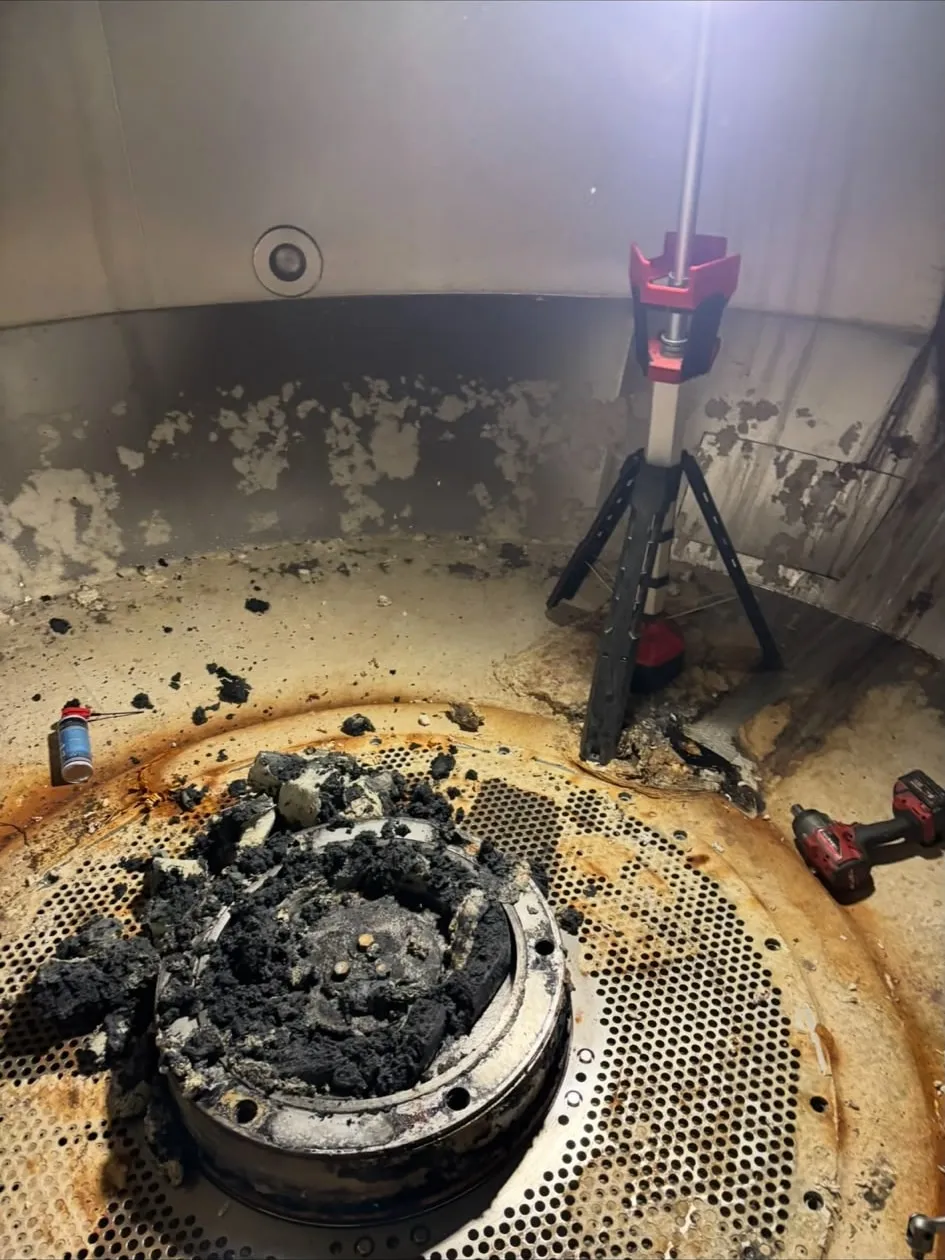
A disciplined overhaul process
Defined stages from initial condition to mechanical handover
Agree the scope and outcome
Confirm the equipment, responsibilities, known history, inspection stages and required handover.
Record the initial condition
Capture component identity, observations, photographs and evidence of wear, damage, contamination or previous repair.
Clean, inspect and measure
Assess the relevant mechanical condition against the agreed scope.
- Shaft runout, sleeves, bearings, fits and end play
- Housing, gland and service condition
- Wear components, gaps and clearances
- Pulley alignment, belt tension and lubrication arrangements
Review findings and corrective work
Raise material findings, parts requirements and work outside the agreed scope with the responsible site contact.
Rebuild and verify
Reassemble using the agreed components, settings and methods, then complete the required mechanical checks.
Complete the handover
Review the work completed, recorded measurements, replaced components and final status with the site team.
Clear records for the pulper package
Keep the evidence aligned with the work
The handover record is built as the overhaul progresses, not reconstructed at the end.
- Initial-condition observations and photographs
- Component findings and measurements
- Repairs, machining and replacement parts
- Settings, clearances and final checks
- Client inspection and approval points
- Outstanding concerns and handover status
Technical leadership throughout the work
Pangea's technical lead maintains oversight of the package, supports the tradespeople, reviews findings and gives the client one clear route for progress, decisions and handover.
Working safely within your site controls
Pulper work can involve stored energy, electrical and process isolations, contamination, heavy rotating components, lifting and restricted access. Pangea prepares for the agreed work and operates within the client's permit and isolation arrangements.
- Safe access and planned lifting arrangements
- Confirmed electrical, mechanical and process isolation boundaries
- Controlled handling of heavy or awkward components
- Defined hold points, work interfaces and mechanical handback
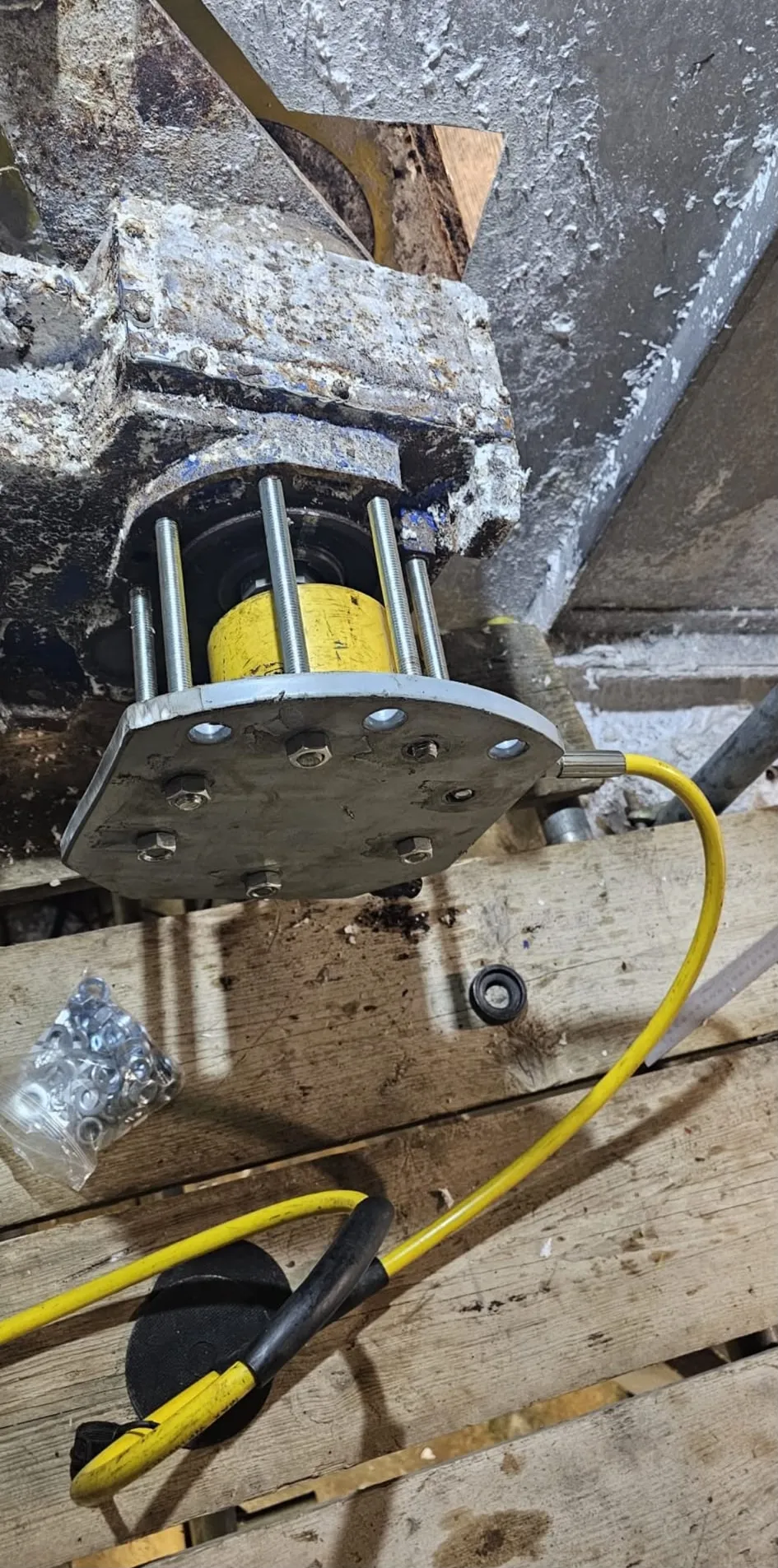
Three ways to work with Pangea
Defined pulper package
Give Pangea responsibility for an agreed package and outcome. We provide the people, technical lead, process and records.
Additional skilled labour
Experienced mechanical personnel work within a scope, supervision and reporting process managed by your team.
Pre-shutdown pulper review
Review the installed assembly before the maintenance window to identify visible concerns, missing information and preparation needs.
Scope and technical interfaces
Clear responsibilities support better work
Pangea specialises in the pulper's mechanical condition, dismantling, repair, assembly, installation and verification.
Process design, stock performance, electrical and control work, metallurgical assessment and design changes remain with the client's responsible specialists unless separately agreed. Where a finding crosses that boundary, Pangea identifies the interface and works with the relevant site specialist.